Pietersen’s New Role with England Cricket
Kevin Pietersen, an ICC Hall of Famer and prominent former England batter, has been appointed as a specialist mentor for the England men’s white-ball teams. This appointment marks his return to the England setup, having previously played for the Three Lions until 2014. His role is set to continue until the end of next year, encompassing various tours and the upcoming ICC Men’s Cricket World Cup in South Africa.
Pietersen’s career highlights include significant contributions to England’s limited-overs game, with 4,440 ODI runs at an average of 40.73 and nine ODI hundreds. He was also a key player in the early days of T20I cricket, accumulating 1176 T20I runs at an average of 37.93. Notably, he was part of the England team that won the Men’s T20 World Cup in 2010.
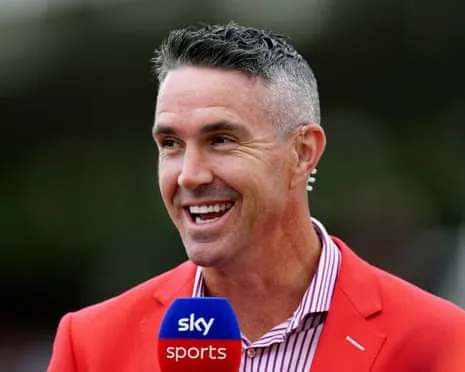
This move comes as the 2019 Men’s Cricket World Cup champions prepare for the next Cricket World Cup. Pietersen has expressed his pride in being asked to help the team on their journey to win a World Cup in South Africa, viewing his return to the England uniform as a profound honour. He looks forward to working with the talented white-ball squad to maximise their potential.
Challenges and Expectations for the Mentor
Since his retirement as a player, Kevin Pietersen has worked as a pundit and commentator, often known for his outspoken opinions. His new role as a mentor will require a different approach, focusing on tailoring his messaging to individual players. While he has not had extensive coaching experience, his masterclasses have demonstrated strong technical understanding and communication skills, which are expected to benefit the team’s batters.
Brendon McCullum, the head coach, has voiced his respect for Pietersen’s impact on English cricket and believes his experience, knowledge, and stature will be invaluable. McCullum is particularly enthusiastic about the opportunity for batters to work with Pietersen, who possesses a unique understanding of performing at the highest level. Pietersen will join the white-ball setup ahead of the Sri Lanka ODI and T20I series, and will accompany the team on tours to Australia and South Africa, as well as for home series against Pakistan and New Zealand.
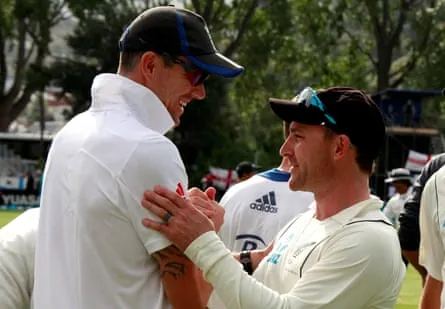
The appointment is seen as a significant commitment from both the England and Wales Cricket Board and Pietersen, and carries a degree of risk given his past criticisms of England’s Test cricket approach. However, the move could also be a strategic effort to integrate a vocal critic into the team’s support structure, potentially turning him into an ally.
Pakistan’s Coaching Changes and England’s Performance
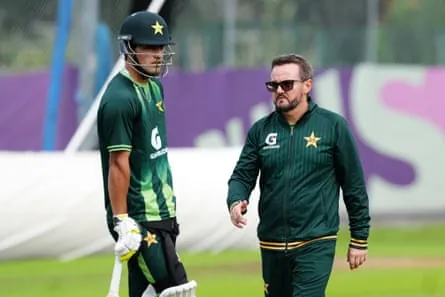
In contrast to England’s strategic appointment, Pakistan’s recent coaching decisions have been described as less encouraging. The Pakistan Cricket Board recently sacked their head coach, Sarfaraz Ahmed, and bowling coach, Umar Gul, sending seven players home and calling up largely inexperienced replacements before a crucial Test match. Sarfaraz Ahmed and Umar Gul, both former cricketers with considerable international experience, were appointed in April.
Mike Hesson, who has served as Pakistan’s white-ball coach since last year, has now taken on a role with the Test team. The changes have led to public humiliation for the players sent home and raise questions about the impact on the morale of Pakistani players. The replacements face a challenging task, particularly against a strong bowling attack in Birmingham.
Meanwhile, England’s team has been praised for its performance, playing “good, sensible, grown-up cricket.” During the second Test, England’s use of conditions was outstanding, with Ollie Robinson proving almost unplayable. The four seamers, including Jofra Archer, Josh Tongue, and Gus Atkinson, have shown a thrilling combination of skill, pace, and ability to swing the ball. While acknowledging that their opponents were not the strongest batting lineup, there is excitement for England’s future, particularly their upcoming performances on slower surfaces in Bangladesh and with a Kookaburra ball in South Africa.
Read Also
Source: theguardian.com

Rahul Sharma is a news editor at Latest News, covering national headlines, politics and the stories shaping India and the world.
More articles by Rahul Sharma